
GSA’s Town Contract Initiative
Let’s move forward together as one COMMUNITY .
Predictable costs
Stable enrollment
Investment in facilities and programs
A school that plans for excellence—not survival
A TOWN CONTRACT MEANS:
Peninsula taxpayers are sending up to $1,000,000 of their tax dollars off the Peninsula each year. That money could stay here, revive your community school, support local jobs, and save our kids hours on a bus or in a car.
This is about serving your kids- the ones who will inherit this Peninsula, who will fish these waters, build these homes, and raise the next generation here.
A guaranteed enrollment contract gives us the stability to invest in the programs your kids need. The Peninsula’s children deserve a high school that prepares them for the life they want, whether that’s heading to university, pulling traps at dawn, or learning a trade. They deserve a school that’s five or fifteen minutes from home, not forty-five.
The Current Reality:
Right now, when Peninsula students attend GSA, we all share the cost of providing that option. But when students leave for other communities, we lose both the students AND we send our tax dollars to those towns. With a town contract, we stabilize funding, i.e. enrollment, keep dollars local, and ensure GSA can plan for excellence instead of survival.
GSA students come from Blue Hill, Brooklin, Brooksville, Castine, Orland, Penobscot, Sedgwick, and Surry. These students can pick any high school. The problem: we're losing local dollars.
We’ve seen enrollment fluctuate from year to year as students make the choice to attend school off the Peninsula. This uncertainty makes staffing and resource planning extremely challenging. Each year we hire staff and plan our academic curriculum for a certain number of students. However, we never know if the number of students we plan for will be the number that will attend.
But first…
This is just the start. We don’t have a lot of details because we are beginning conversations with community members and town and school officials.
Your support is important. Before we enter into any contracts, we want your support.
This is a marathon, not a sprint. We don’t expect anything to happen quickly. We hope to have one-on-one conversations with residents and families, listen, and take time before any negotiations begin.
Real, honest conversations need to happen. We want to have real one-on-one conversations with our sending town communities and their officials.
RURAL SCHOOLS IN NUMBERS
Students attending local rural schools show 12-18% higher graduation rates compared to those bused long distances to exterior schools.
Communities lose an average of 15-25% of young families within 5 years of school closure, reducing the local tax base and consumer spending.
Long bus rides (over 45 minutes each way) correlate with 8-15% lower standardized test scores and increased absenteeism rates of 20-30%.
Local schools enable 60-80% higher participation rates in sports, arts, and leadership activities due to proximity and schedule flexibility.
Students in small rural schools are 3-4 times more likely to hold leadership positions and participate in multiple activities.
Rural schools generate approximately $1.50-$2.00 in local economic activity for every dollar invested, serving as anchor institutions that support local businesses and employment.
“I am grateful to the teachers at George Steven’s Academy for providing an education to my two sons who attended GSA 2014 - 2019.
Having a high school in our tight knit community that allowed them to grow, learn, and figure out their path in life was a support to me as a single mother. I am beyond proud of the young successful men they have become.”
ALMA MOTE, Parent ‘20 ‘24

“GSA is the right choice for our two kids. We love that the school offers a full slate of academic AP courses and also offers tactile classes like woodworking, art, welding, and the Skippers program. This hands-on process fosters critical thinking.”
JENNY BRILLHART, Parent ‘24 ‘27

“My children had different experiences at GSA, which is what I love so much about the school- GSA catered to each of their unique needs and desires. My husband and I felt it was important for them to attend school in our community, for them to be grounded in their community as young citizens. ”
AMY HOUGHTON, Parent ‘13 ‘15

“We chose GSA because of its academic rigor and connectedness to our community. Our children left GSA with the most important tool for any high school graduate: an excitement to learn more.”
MICHELLE. KEYO, Parent ‘22 ‘24

WHAT’S YOUR WHY?
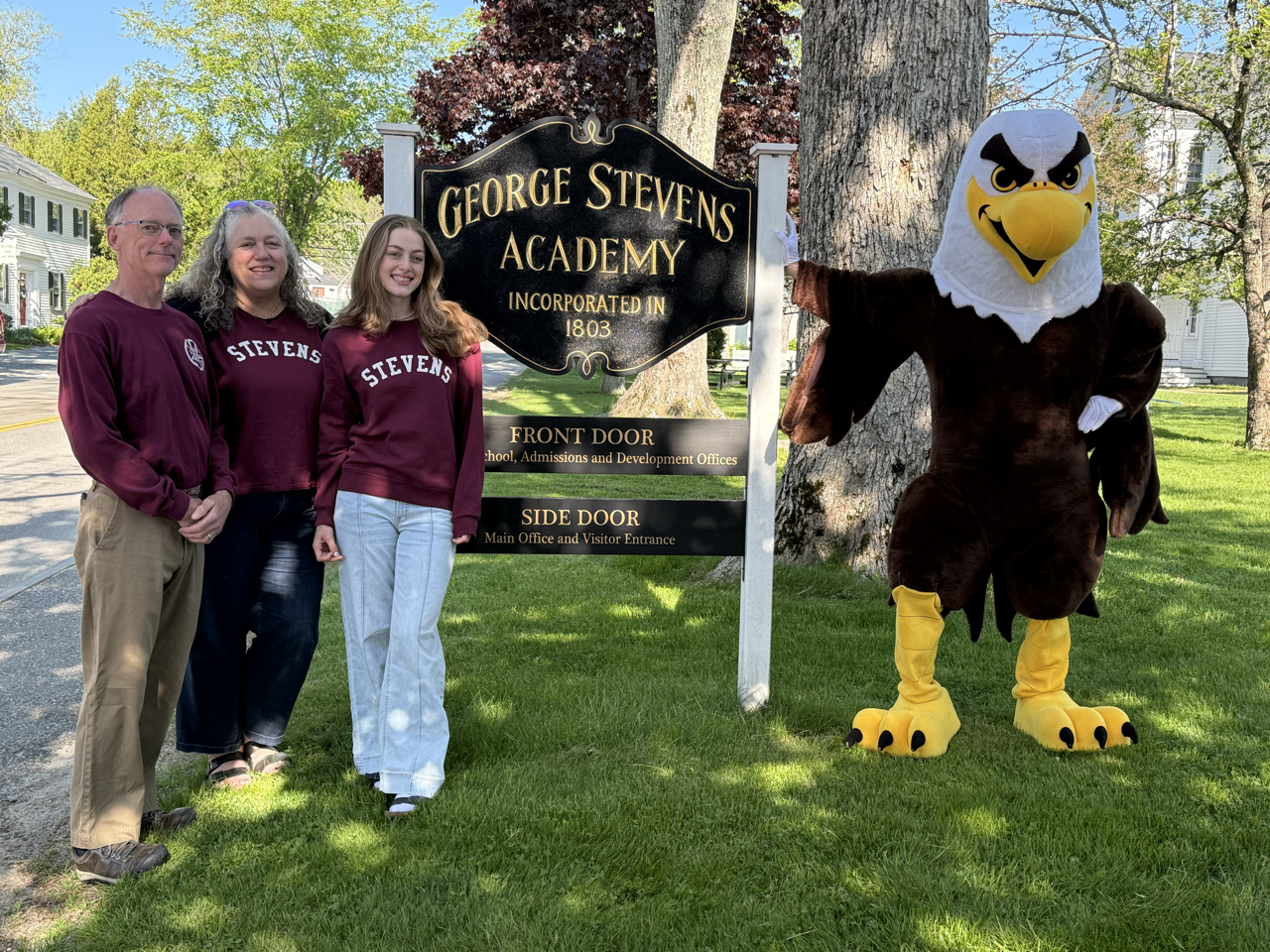
IF YOU’RE A PARENT
Quality of life- saving hours on a bus or in a car every day
After-school activities possible - sports, clubs, jobs
Home for family dinner with time for homework
School is close by - not 30 to 60 minutes away
Teachers who know your family and this community
Lifelong local friendships for your kid
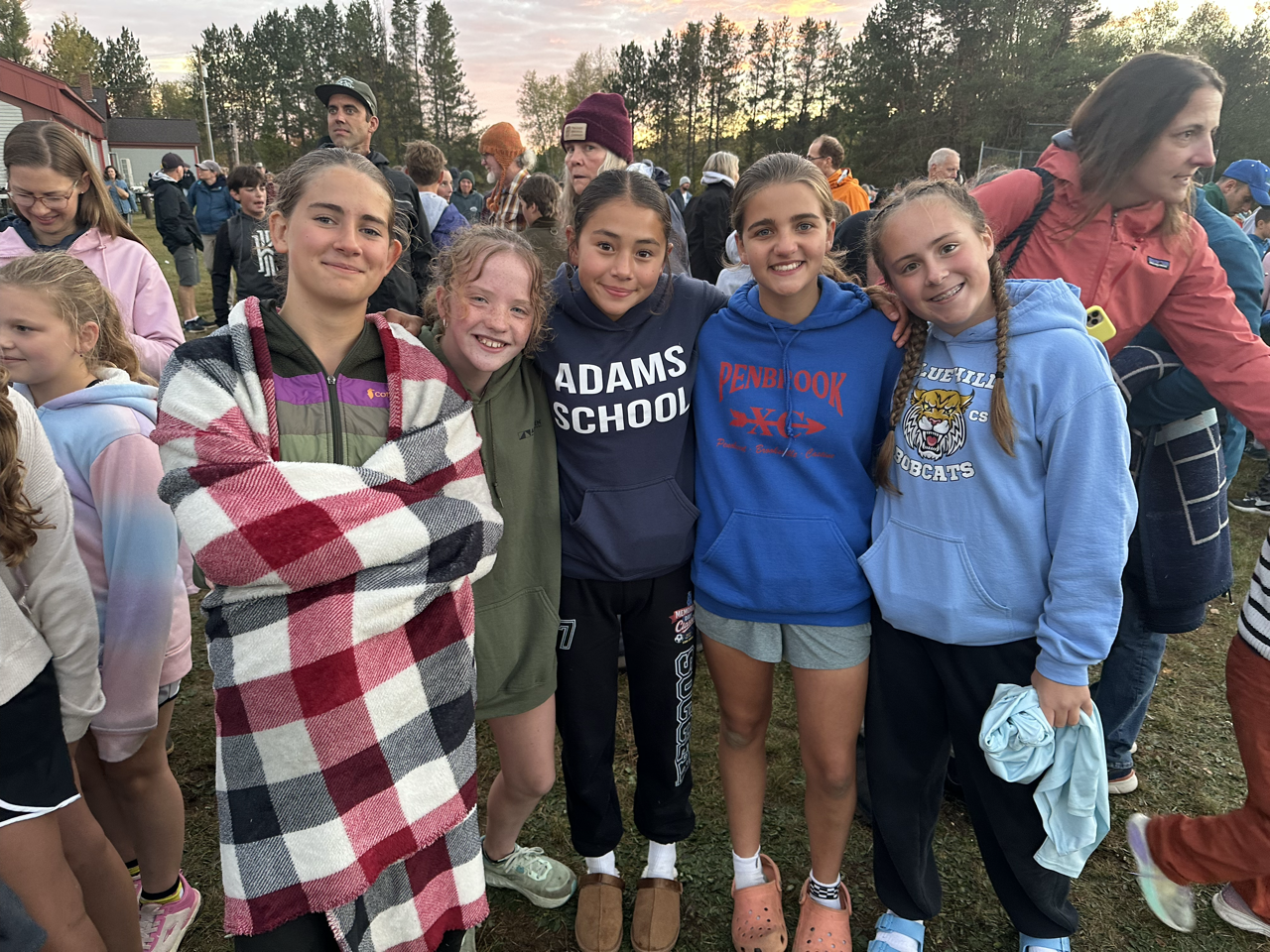
IF YOU’RE A FUTURE PARENT OR YOUNG FAMILY
Strong schools = reason to stay or move here
Property values protected - good schools maintain home values
Quality education close to home - college AND career paths
Safe community your kids grow up in
Local mentors and role models from Peninsula businesses
IF YOU’RE A SMALL BUSINESS OWNER
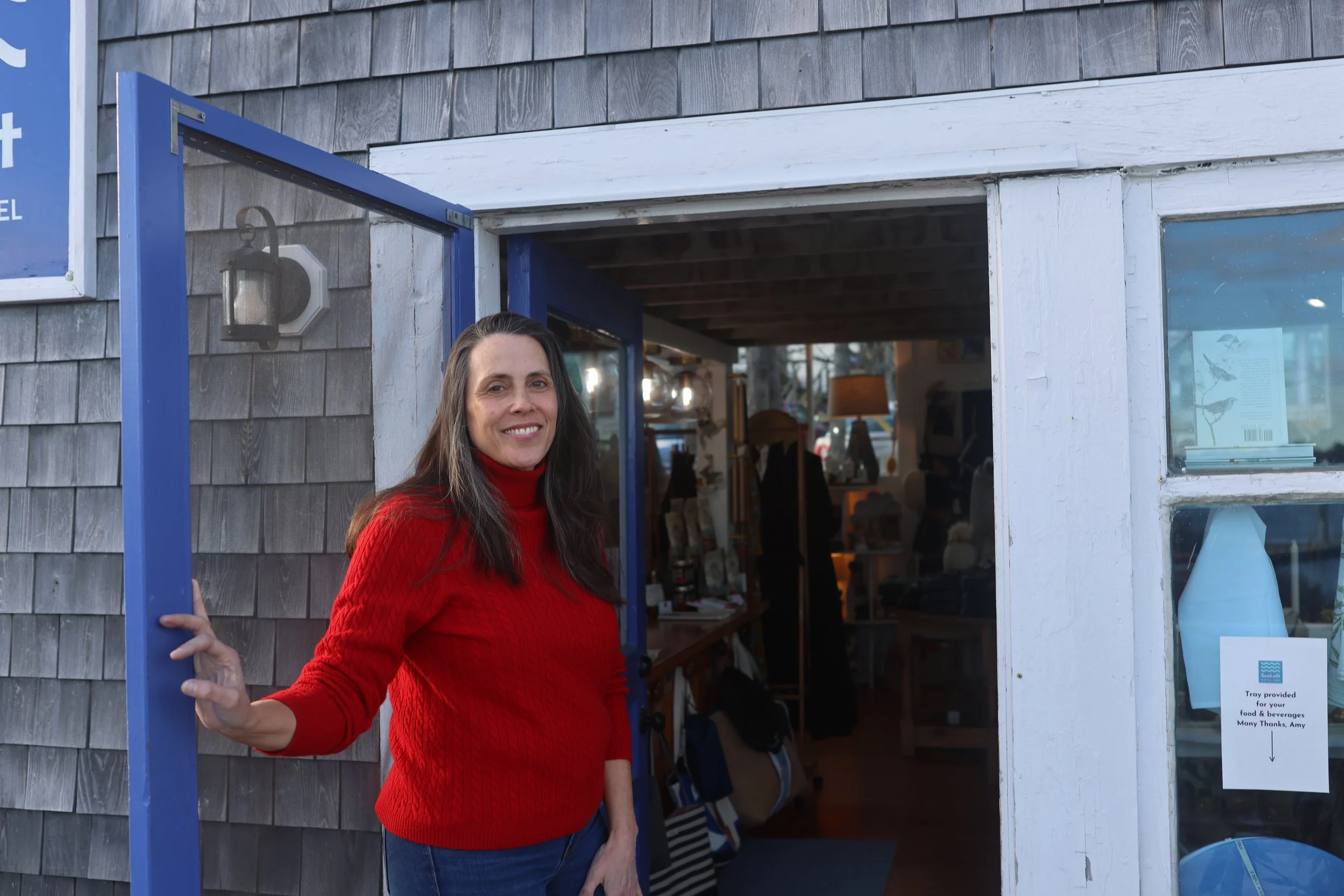
Future workforce pipeline - interns who know your business
Customers stay local - families shop and eat here
Young families move here - the customers you need
Skilled workers who stay - graduates return as tradespeople
Community events bring people to town
Predictable property taxes from enrollment stability

IF YOU’RE A RESIDENT WITHOUT KIDS
GSA employs Peninsula residents who shop locally
Tax dollars stay local - not sent to other towns ($1,000,000 per year)
Future employees trained in trades, healthcare right here
Vibrant community - young families stay vs. leaving
Property values protected - good schools = stable real estate
Community viability - schools anchor rural towns
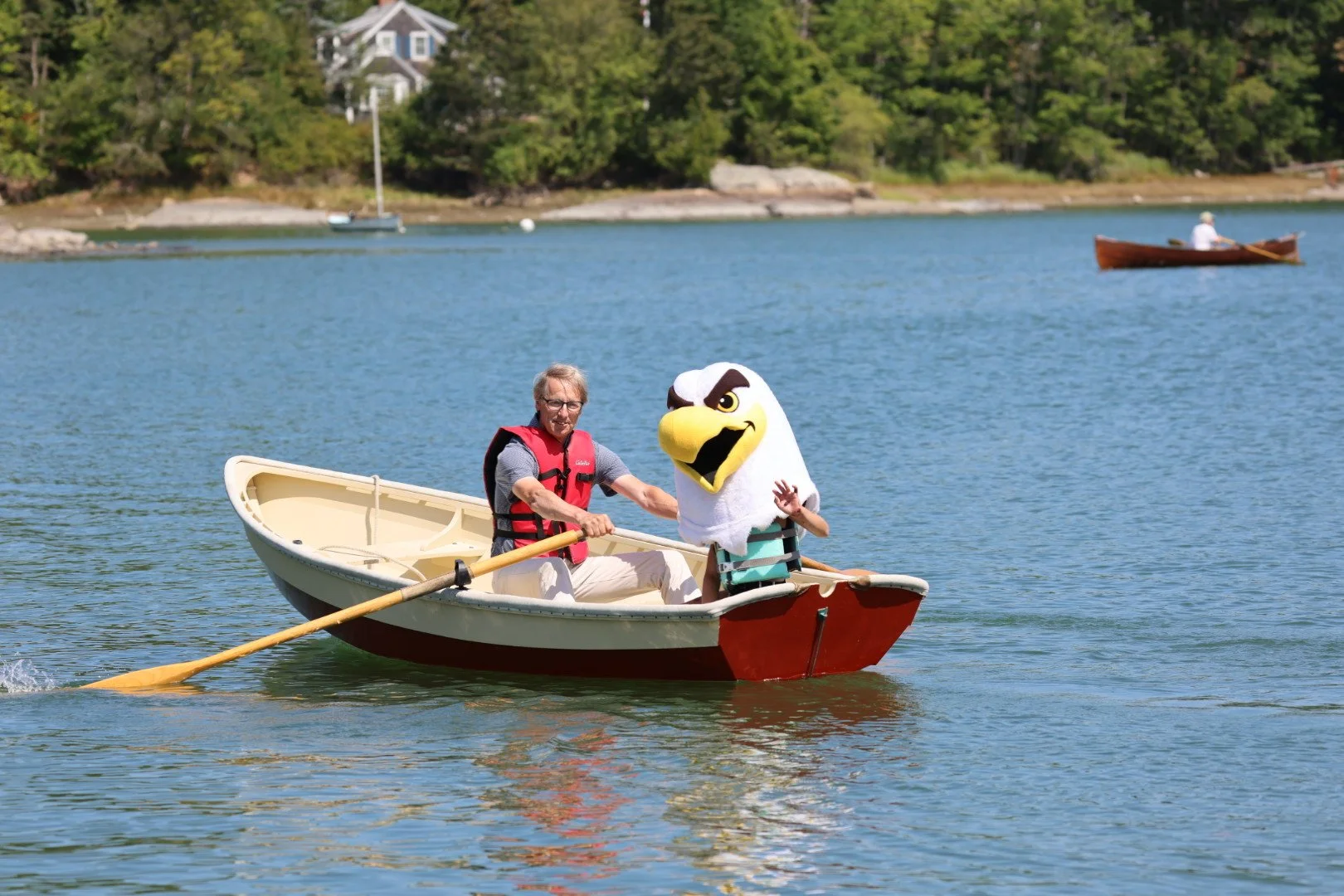
IF YOU’RE A RETIREE OR EMPTY NESTER
Property values stay strong when schools are good
Future caregivers - today's students = tomorrow's nurses
Skilled tradespeople nearby - plumbers, electricians, carpenters
Young families stay - keeps businesses open, services available
Town gathering place - concerts, plays, athletic events
Community hub - emergency shelter, voting, meetings
EVERYONE IN THE COMMUNITY
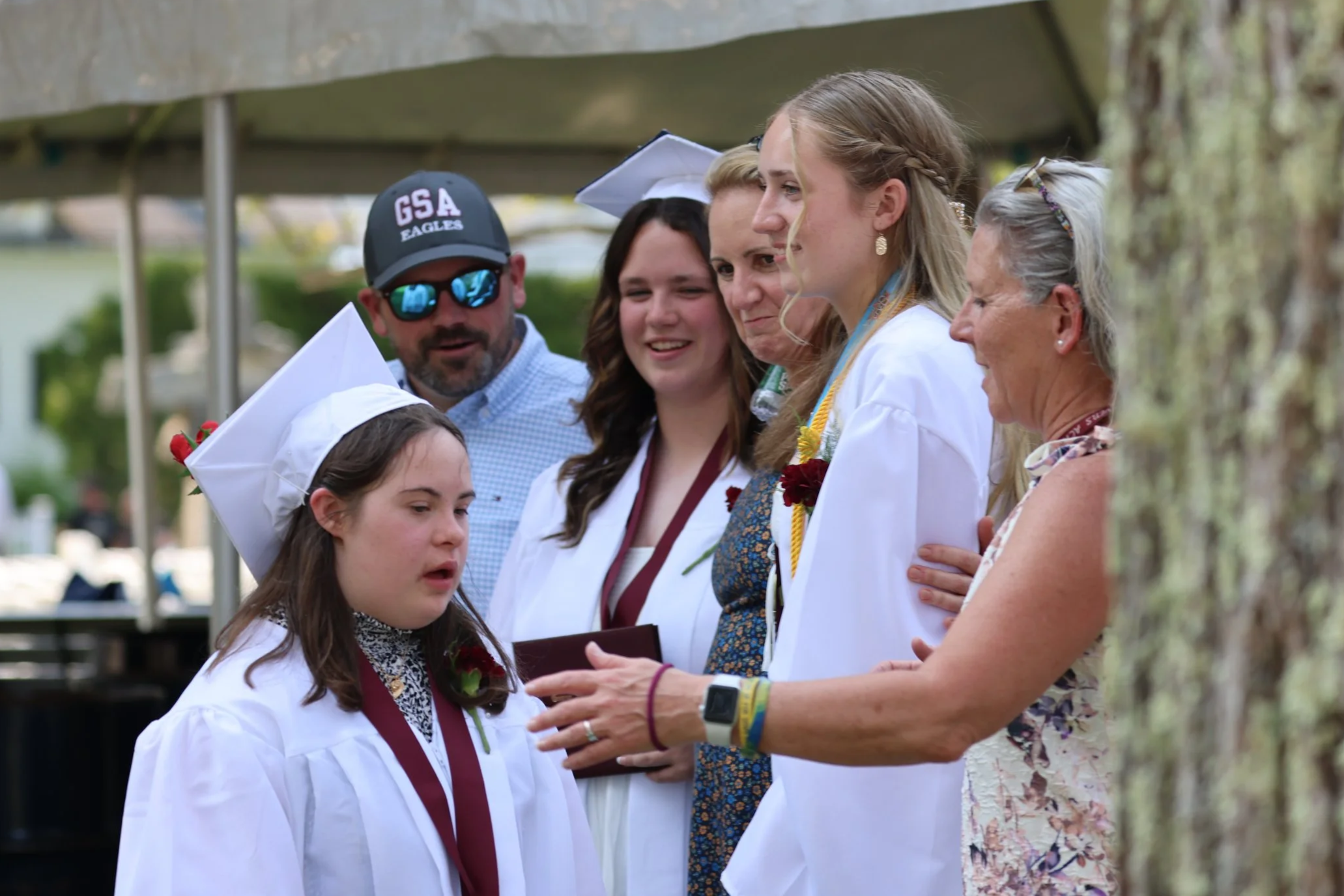
127 years of tradition - GSA is the heart of the Peninsula
Friday night basketball - bleachers full of neighbors
Spring concerts on the lawn - community gatherings
Student interns at local businesses - giving back
Graduates who return - to teach, open businesses, raise families
A place families belong - not just where they sleep
Keeping the Peninsula alive - young people choose to stay
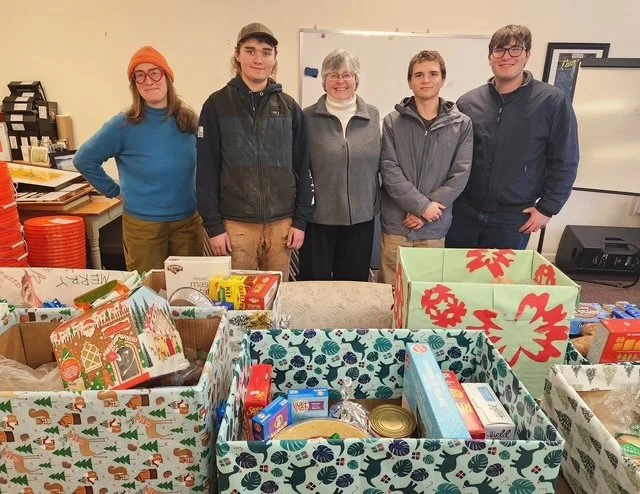
GSA students with Healthy Peninsula staff and meal kits for the holidays.
Community organizations on the peninsula include:
Volunteer Fire Departments
Libraries
Elementary Schools
Simmering Pot
Tree of Life Food Pantry & Turnstyle
Chamber of Commerce
Healthy Peninsula and hundreds of other places!
This school year alone, GSA students have completed 5,683 hours of community service (average = 29 hrs per student).
The Maine Policy Institute performed a study on school choice in 2021. Below are the key findings along with a map showing the findings. To read the whole study, click here.
KEY FINDINGS
Students in 85% of Maine municipalities cannot be reimbursed for their educational choices, and may only exercise choice if their family pays the full cost of tuition and transportation out of pocket.
Only 87 jurisdictions offer some measure of school choice to resident students.
Only 20 jurisdictions offer full choice at every grade level to resident students.
High-schoolers have full choice in 48 Maine towns, and students in grades 6-12 have full choice in just 2 towns.
Choice is primarily concentrated in rural areas of Maine, primarily small towns with low percentages of school-aged children.
FAQs:
-
A contract is a simple agreement between a sending town and its local town academy that children will attend the local school; GSA has had contracts with sending towns before.
Many town academies have contracts with sending towns in order to stabilize enrollment. Examples in Maine are Foxcroft Academy, Fryeburg Academy, Maine Central Institute, and Thornton Academy. Exceptions are always included in town contracts (see our web page for examples). Since Blue Hill has two high schools, an exception would be made for any student who wished to enroll at the Harbor School.
-
The state sets the tuition and the municipalities pay it. In recent years, declining enrollment has decreased income but our fixed costs have stayed the same; we have responded by making strategic reductions and savings where possible. We have gone to town meetings to ask tax payers to help cover the gap. We do not want to continue this temporary solution.
-
Exceptions might include physical needs that cannot be accommodated by GSA’s facilities or a student’s family situation, i.e. a brother or sister at another school.
-
No. We do not believe in interrupting a child’s educational experience.
-
Yes. Your tax dollars go directly to the town where the child goes to school.
-
As a small school offering a lot, we find there is a sizable gap between what the State calculates for our tuition rates and the actual cost per pupil. When enrollment numbers are low, supplemental tuition allows us to continue to offer a wide variety of options for students so that they are as prepared as possible for their post secondary endeavors.
-
Nothing (aside from subsidies for school lunch).
-
We have been working diligently to “right the ship” and reduce our costs. While working to balance the budget and plan for the upcoming school year, we discovered the MAT (maximum allowable tuition) rate was slightly more than want had budgeted. We made a decision to pass that forward to the towns and decrease our ask to $1530 (10% less than previous years). This decision was made in December of 2025 at our monthly Trustees meeting. This will occur over the next three years whether we negotiate town contracts or not.
-
No. Town contracts provide financial predictability which, in turn, provides more stability. Under a town contract structure, new students entering GSA would do so with no supplemental tuition.
For more FAQs, visit our Community page here.
HOW WE RANK:
The GSA Class of 2025 earned $750,000 in scholarships, averaging $12,096 per graduate. Nationally, families who receive scholarships average $7,293—but only 1 in 8 students receives any scholarship at all.*
See more academic stats here.
Nationally
While most rural schools struggle to send even one student annually to institutions like University of Chicago or Bowdoin, GSA consistently places students at top tier universities.
In Maine
GSA exceeds the college placement profiles of much larger Maine high schools, with the exception of a few elite private schools.
Among Schools Our Size
The combination of elite college placements, scholarship dollars, and pathway diversity is extraordinary.